Exterior lighting that boosts safety and curb appeal: your pre-summer checklist
Early summer in Florida means later sunsets, higher foot traffic, and the start of storm season. For retail centers, offices, and hospitality properties, this is the moment to verify that exterior lighting is doing two jobs at once: protecting people and presenting the property well. A well-lit site reduces trip hazards and security concerns, while also welcoming guests with a clean, even visual impression.
Florida Lighting Maintenance (FLM) services commercial properties across Florida with exterior lighting design, LED upgrades, maintenance, and 24/7 emergency response. This guide distills proven practices for parking lots, façades, and canopies, and includes a practical May checklist tailored to pre-hurricane-season readiness in Florida.
What makes a parking lot feel safe and look good at night
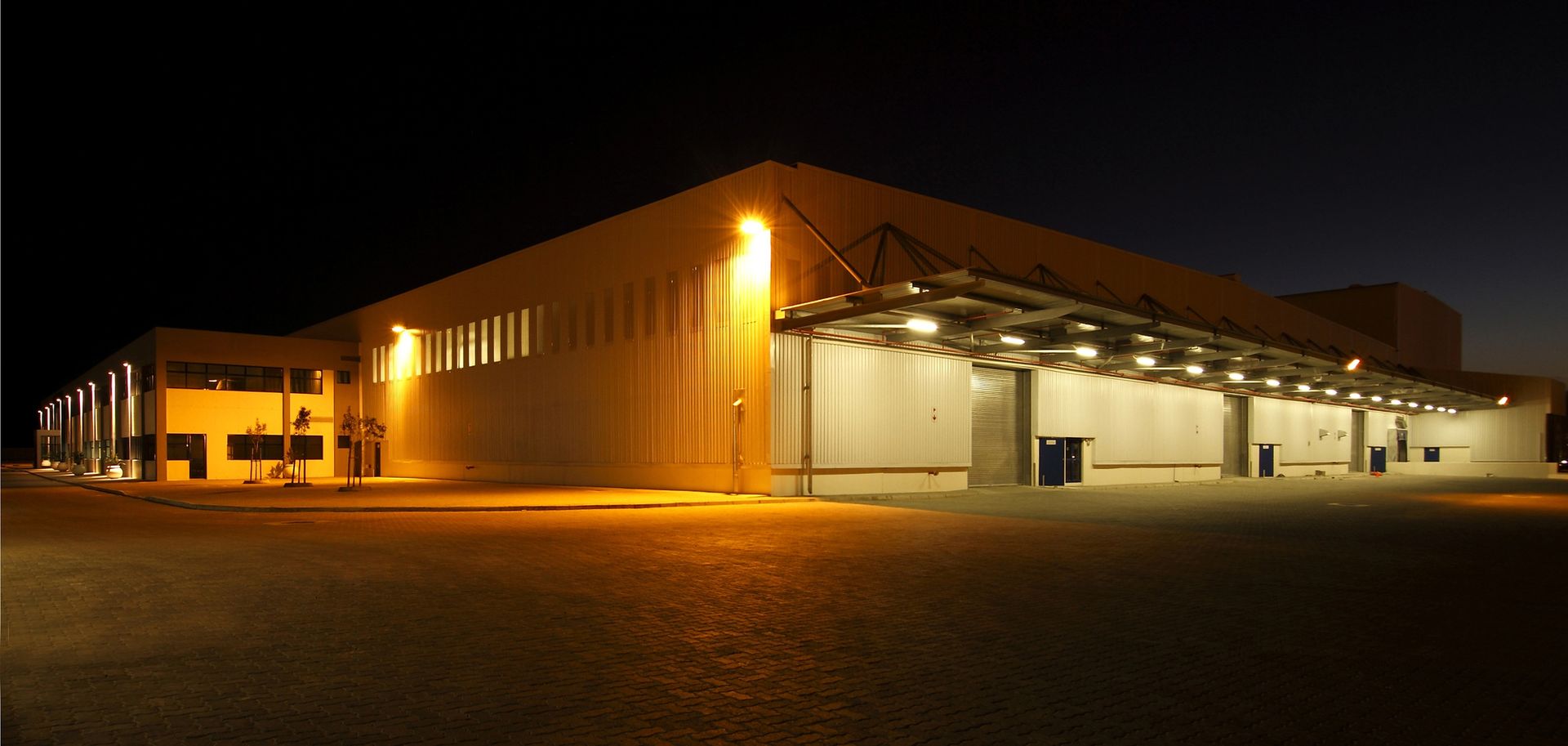
Great exterior lighting is less about raw brightness and more about uniformity, color quality, and glare control. Consider these design priorities for parking lots and drives:
- Prioritize uniformity over maximum output. Uneven pools of light and dark patches make drivers and pedestrians uneasy. Aim for consistent coverage using pole spacing and optics that minimize hot spots.
- Control glare and uplight. Use cut-off or full cut-off optics, proper mounting heights, and house-side shields near property lines. Good glare control improves visibility and reduces complaints.
- Select the right color temperature. For parking areas, 3000K to 4000K often provides clear visibility with a comfortable, professional appearance. Cooler CCT can look harsh, while very warm CCT can reduce perceived brightness.
- Balance vertical and horizontal illumination. Horizontal light helps with navigation; vertical light on faces and signs helps with recognition, security cameras, and wayfinding.
Façade and landscape accents add curb appeal when they are coordinated with lot lighting. Gentle wall washing, sign illumination, and selective tree uplighting can create a cohesive nighttime identity without overpowering the site. If you manage multi-tenant retail, consistent fixture color temperature and output across storefronts strengthens brand presentation.
For canopies at hotel entrances, porte-cochères, and drive-throughs, choose fixtures with high color rendering for accurate color appearance and a welcoming tone. In these close-quarters areas, glare-free optics and sealed, weather-rated housings are essential for comfort and longevity.
Recommended light levels using IESNA-informed guidance
Exact targets vary by site risk and local code, but IESNA-informed ranges commonly used for commercial properties include:
- Open parking areas: average maintained 0.5 to 2.0 foot-candles (fc) with good uniformity. Many retail and office lots perform well near 1.0 fc average if uniformity is controlled.
- Parking drives and entrances: 1.0 to 2.0 fc average to support movement and decision points.
- Walkways and pedestrian routes: 0.5 to 1.0 fc average; ensure vertical illumination for facial recognition and signage.
- Building façades and entrances: 2.0 to 5.0 fc at door thresholds, with higher vertical light at access control points and loading areas.
The key is maintained values, not new-out-of-box readings. LED output depreciates over time, so design to maintain target levels through the fixture lifecycle. FLM designs and services systems with these goals in mind, and the team can validate results during nighttime checks.
How to spot failing poles, wiring, or fixtures before they cause outages
Small symptoms usually appear before a full outage. During your evening walk-through, scan for these early warnings:
- Intermittent flicker or color shift. LEDs that cycle dim to bright, or shift to a different tint, may have driver issues, loose connections, or thermal stress.
- Slow-to-start or occasional dropout. Timers, photocells, or contactors can drift or fail, causing random dark periods.
- Corrosion and lean. Check pole bases for rust, cracked grout, or water ingress. A leaning pole or loose anchor hardware is a safety red flag.
- Buzzing or heat. Audible noise at a fixture, hot housings, or odors can indicate driver or wiring faults.
- Tripped breakers or GFCIs. Repeated trips suggest moisture in conduits, failing underground splices, or overloading.
- Dark rings or shadowing on canopies. Can indicate failed optics, water intrusion, or LED board degradation.
If you observe any of the above, schedule service promptly. FLM’s aerial lifts and bucket trucks reach up to 100 feet, which allows safe inspection and same-visit repairs for most pole and façade fixtures. Underground faults and contactor issues are also diagnosable with FLM’s commercial electricians.
The benefits of a nighttime lighting inspection
Lighting that looks fine at noon can reveal problems after sunset. FLM’s Night Ride Program is a complimentary nighttime inspection that documents:
- Outages, dimming, or color inconsistency across lots, façades, and canopies
- Mis-aimed optics causing glare, light trespass, or dark spots
- Photocell, timer, and contactor operation during real conditions
- Poles, brackets, and mounting hardware health
- Opportunities for targeted LED upgrades to improve uniformity and reduce energy
The benefit is simple: issues are identified under actual operating conditions, which helps you prevent dark spots, reduce liability risk, and prioritize repairs before the rainy season. The report supports budget planning and fast action, and FLM can immediately dispatch high-reach crews for urgent fixes.
If you are planning refreshes or energy projects, you can also explore energy-efficient lighting upgrades that cut operating costs while boosting light quality. See how FLM approaches energy-efficient lighting upgrades in Sarasota for more context: energy-efficient lighting upgrades Sarasota.
Vandal-resistant and weather-rated fixtures for storm season
Florida’s storm season demands durable equipment. For parking lots and canopies, specify:
- IK-rated housings and lenses for impact resistance near loading zones and areas with carts
- IP66 or better ingress protection to resist wind-driven rain and salt air
- Marine-grade powder coating and stainless hardware on coastal sites
- Sealed optics and breather vents to prevent fogging and condensation
- Tamper-resistant fasteners and wire guards where vandalism is a concern
When a storm is approaching, rapid replacement capability matters. FLM maintains in-house inventory and manufacturer partnerships, which often shortens lead times. Coupled with 24/7 electrical services in Sarasota for emergencies, properties can restore lighting quickly when safety is on the line.
Your May pre-hurricane-season checklist
Use this focused checklist to prepare retail, office, and hospitality properties in Florida:
- Walk the site at night with a map. Note every dim, flickering, or out fixture on lots, walkways, canopies, and façades.
- Inspect poles and bases. Look for corrosion, loose anchor bolts, ponding water at bases, and leaning.
- Test controls. Verify photocells trip correctly at dusk, timers are set for seasonal sunset times, and contactors pull in reliably.
- Clear obstructions. Trim vegetation blocking light paths or cameras; remove banners or add-on hardware that can vibrate in high winds.
- Verify drainage and seals. Check canopy housings, handholes, and junction boxes for intact gaskets and weep holes.
- Stage spares and document circuits. Keep spare photocells, drivers, and breakers on hand; label panels and contactors for faster troubleshooting.
FLM can complete this checklist during a Night Ride and follow up with prioritized repairs, LED conversions where sensible, and high-reach service for tall poles and building-mounted fixtures. If signage is part of your frontage, coordinated lighting around signs enhances brand visibility. Explore options for Sarasota signage installation to align sign lighting with site lighting.
Rapid repair, LED upgrades, and high-reach capability
Dark spots increase liability risk and erode customer confidence. FLM’s teams handle:
- High-reach repairs for tall poles and façade fixtures using aerial lifts up to 60 feet and bucket trucks up to 100 feet
- LED conversions that improve uniformity and reduce maintenance
- Troubleshooting for underground wiring, contactors, photocells, and control panels
- Group relamping and scheduled maintenance to sustain performance
When time matters, FLM’s Sarasota emergency electricians are available for critical outages and safety-related failures.
For property managers planning a broader refresh, FLM also offers exterior LED lighting upgrades in Sarasota including fixture replacements and retrofit kits that minimize downtime while raising light quality. If you are coordinating site beautification with landscape accents, review FLM’s exterior lighting page for landscape lighting Sarasota to integrate pathway, tree, and façade elements.
FAQ
- How can I improve parking lot safety and curb appeal at night? Focus on uniform, glare-controlled illumination with 3000K to 4000K color temperature, clean vertical light on faces and entrances, and consistent fixture appearance across the site. Address outages quickly and use weather-rated, vandal-resistant fixtures.
- What light levels are recommended for parking lots and walkways? For many commercial sites, open parking areas perform well near 1.0 fc average with good uniformity, drives are often 1.0 to 2.0 fc, and walkways commonly fall between 0.5 and 1.0 fc. Entrances typically require higher vertical light. Actual targets should align with IESNA guidance and local code.
- How can I spot failing poles, wiring, or fixtures early? Look for flicker, color shift, intermittent operation, leaning poles, corroded bases, hot or noisy fixtures, and recurring breaker trips. Conduct inspections after dark to see real behavior.
- What are the benefits of a nighttime lighting inspection? Nighttime inspections reveal outages, glare, control issues, and safety gaps that daytime checks can miss. FLM’s Night Ride Program provides a complimentary assessment with recommendations to prevent dark spots and reduce liability.
Summary and next steps
Exterior lighting that performs well is engineered for uniformity, glare control, and durability, then verified at night under real conditions. As Florida enters storm season, a brief May checklist, a complimentary Night Ride inspection, and prompt high-reach repairs can keep customers safe and your property looking its best. To coordinate upgrades or schedule a Night Ride, contact Florida Lighting Maintenance. For related capabilities, review FLM’s commercial lighting installation services in Sarasota, or connect with the emergency team when an urgent outage needs attention.